


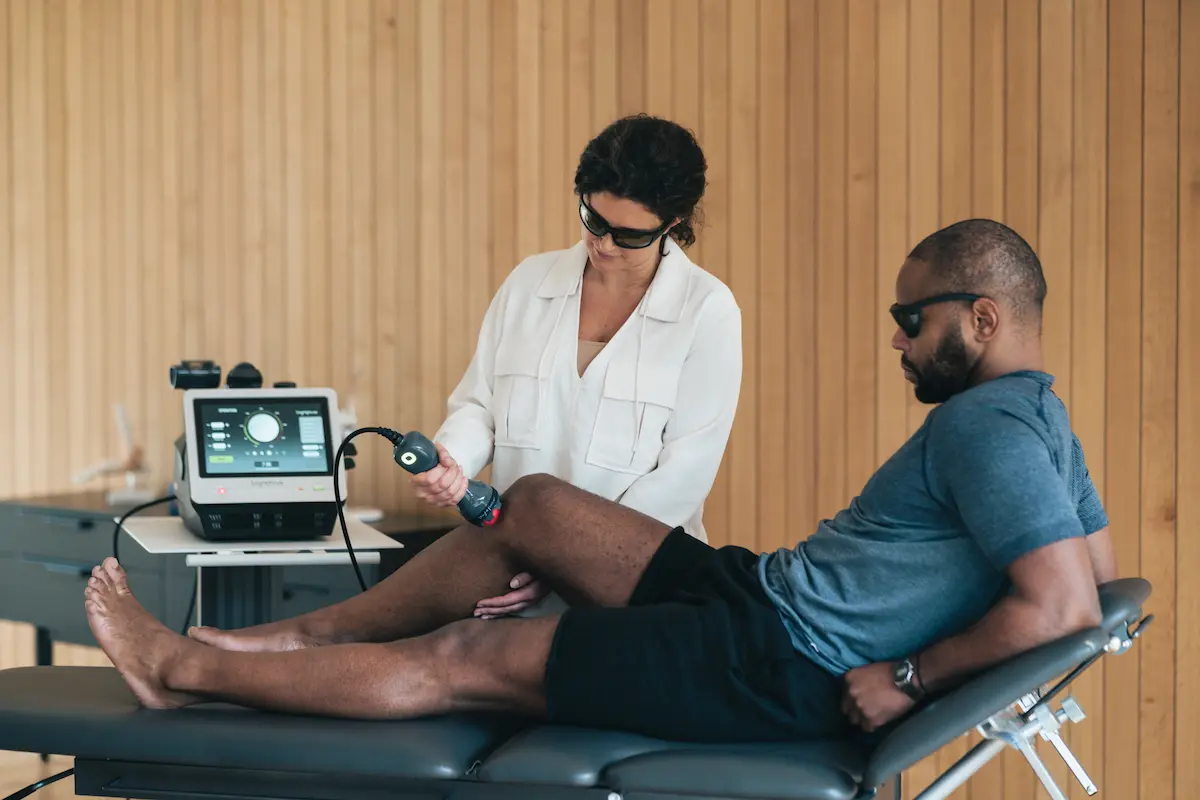
Image Credit: ChattanogaRehab.com
Physical rehabilitation is no longer limited to basic tools. Therapists now have access to advanced rehab technology. Many sensors, feedback systems, and connected platforms allow for more personalized, data-driven therapy. Whether recovering from a sports injury, stroke, or surgery, the latest rehabilitation equipment from Chattanoogarehab can improve your recovery process.
Real-Time Data Means Real-Time Progress
One advantage of modern rehabilitation equipment is its ability to collect real-time data during therapy. Devices now monitor everything from joint angles and resistance levels to walking gait and balance. This instant feedback gives therapists a clear picture of how the body responds to specific movements.
The result? Faster adjustments to therapy plans, more accurate dosing of exercises, and fewer setbacks. For the patient? They often experience a speedier recovery process. Finally, patients gain a better understanding of their improvement over time.
Biofeedback Turns Movement Into Learning
The brain often must relearn basic movements in neurological and post-stroke cases. That’s where biofeedback comes in. Tools that provide visual or auditory signals as a patient moves have multiple benefits. For instance, they can help reinforce the right patterns while correcting improper ones.
This feedback type can have a positive impact on patients. Its impact has a lot to do with its immediate reporting. Plus, the data is easy to understand. As a result, patients are more likely to stay motivated. Biofeedback guides individuals who are regaining hand control, relearning to walk, or undergoing other rehab therapy.
Rehab That Goes Wherever You Are
Traditional rehab has long depended on in-clinic visits. However, modern life and medical research reveal a new insight. Many have learned that mobility, flexibility, and consistency are as important as location. In other words, care can continue outside the clinic with modular and mobile rehabilitation equipment.
Portable systems provide therapists with more flexibility. Rehab sessions can take place at outpatient facilities or a patient’s home. This versatility can be a game-changer for people living in rural areas or those with limited transportation. It also helps maintain momentum between in-person sessions.
Technology That Brings Teams Together
Communication is integral to recovery. The best outcomes happen when multiple professionals collaborate. New rehab tools often integrate directly with electronic medical records (EMR) and telehealth platforms. They allow physicians, therapists, and other care providers to share information.
There’s less time spent on paperwork and data entry. The benefit? More time for patient care. It’s also a welcome shift for providers. Smart devices can track session data, streamline workflows, and improve reporting accuracy.
Design With the Experts Who Use Them
The smartest designs come from experience. Therapists, physicians, and biomechanical experts give their input on rehabilitation equipment. As a result, the tools meet the needs of patients and professionals.
This development approach produces effective tools. Additionally, the process results in practical, user-friendly rehab equipment. Inventive devices allow therapists to focus more on guiding recovery. In turn, there’s less time devoted to managing complicated interfaces or manual tracking.
Gradual Progress for Every Stage
Progress is key in rehabilitation. However, pushing too fast can lead to reinjury. Modern equipment is often built with safety features. These include attributes like progressive resistance and controlled motion settings.
Machines can be preprogrammed with protocols that match specific conditions. This feature offers challenging exercises that are appropriate for the stage of recovery. It enhances rehab in a way that aligns with steady, safe progress.
Rehabilitation for Everybody
The right equipment matters. Rehab devices are critical whether helping a child with cerebral palsy, an older adult with joint degeneration, or an athlete recovering from surgery. The versatility of current rehabilitation tools can accommodate all body types, ages, and conditions.
Modern rehab therapy is more inclusive. Therapists can scale exercises, adjust settings, and tailor programs as needed. In many cases, people experience better results.
A Smarter Way Forward
Advanced tools lead to better physical therapy care. The latest upgrades include real-time data, built-in feedback, and expanded access. For example, rehabilitation equipment from Chattanooga Rehab helps make recovery more personalized, efficient, and effective.
Are you a clinician or someone going through recovery? In either case, the technology you choose can make all the difference. With the right tools, you can focus on getting better.
